Story By Brian Powers – Phoenicia Times 10/22/09 – reprinted with permission.
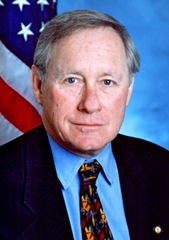 ALBANY – State Assembly members and others turned up the heat on NYS Department of Environmental Conservation Commissioner Pete Grannis at the Capital in Albany on October 15, following his testimony on the agency’s September 30 release of newly proposed gas drilling regulations for the Catskills and central New York State.
The first of 26 witnesses to appear before the Assembly’s ENCON Committee, Grannis spent hours fielding questions on those regs from both upstate & downstate legislators, most fairly critical of what they see as inadequate review and protections outlined for public health and safety and for the safety of water supplies and the environment.
“While DEC is fully committed to protecting the NYC watershed, it should be noted that approximately 70% of the land (there) is privately owned,” said Grannis. “While there have been many calls for an outright ban on drilling in the watershed, such a ban would limit the mineral rights of private property owners. Our conclusion, following comprehensive examination, is that if drilling takes place, there is no substantive basis to believe that water quality will be degraded. “
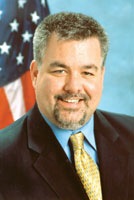 Assemblyman Daniel O’Donnell from Manhattan’s Upper West Side responded by saying, “Property owners have rights, but millions and millions of people who drink the water have an interest, too,” and that DEC’s job is, “ balancing rights involved and interests involved. If you don’t think the risk is substantial, what’s substantial?”
DEC Committee chair Robert Sweeney from Suffolk County questioned Grannis on matters ranging from his understaffed agency’s ability to handle enforcement (“We have 17 people” said Grannis) to contradictions between the new regs and the City’s as-yet-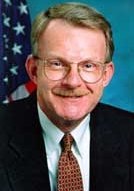 unpublished consultant’s report.
Sweeney also questioned the lack of cumulative impact study both for water withdrawals approved up to 25 million gallons per day, and for the broader impact of large scale drilling.
Grannis answered by saying that drilling sites will be limited to one per square mile but added that, “We have no way of making a judgment at this point how many wells will actually be drilled. We have 54 applications so far.”
New York City’s acting DEP Commissioner Steven Lawitts reiterated his agency’s “grave concern.. at the prospect of natural gas drilling in the watershed.” He asked for an extension of the state’s 60-day public comment period now in progress, so that their consultants could complete their report on the potential for gas drilling to adversely impact the City’s water supply system.
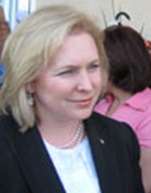
In a separate statement, U.S. Senator Kirstin Gillibrand also called for a similar extension from DEC.
 “If our study or the NYS Department of Health review should conclude that gas drilling currently proposed will create risks to our watershed, then the price tag will be at least $10 billion for the City and its water customers,” Lawitts added. “If the state decides to permit this activity, then it must include and account for (those costs) in any regulatory framework that would allow drilling in the watershed.”
According to Grannis, a final document on drilling regs will be ready next spring.
Meanwhile DEC has scheduled its single public hearing on gas drilling for this region at 6:00 PM on Wednesday, October 28, at Sullivan County Community College’s Seelig Theatre in Loch Sheldrake. NYC’s sole hearing will be held November 10 in Stuyvesant High School’s auditorium. The public comment period is, for now, set to expire November 30.
Comments may be emailed to dmnsgeis@gw.dec.state.ny.us or mailed to dSGEIS Comments, Bureau of Oil & Gas Regulation, NYSDEC Division of Mineral Resources, 625 Broadway, Third Floor, Albany, NY 12233-6500.
*Chronicle Editor’s note – The New York City watershed covers some 1,900 square miles in the Catskill Mountains and the 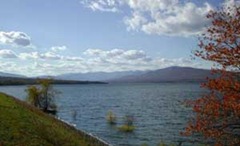 Hudson River Valley. The watershed is divided into two reservoir systems: the Catskill/Delaware watershed west of the Hudson River and the Croton watershed east of the Hudson. Together, the systems deliver approximately 1.4 billion gallons of water each day to nearly 9 million people in New York City and Westchester Orange, Putnam and Ulster counties.
The Catskill Water Supply System, completed in 1927, and the Delaware Water Supply System, completed in 1967, provide about 90 percent of New York’s water supply. The combined Catskill/Delaware watershed cover 1,600 square miles. Drinking water from the Catskill/Delaware system is of high quality and is delivered to New York consumers unfiltered. – US Environmental Protection Agency
Click any service in this box to share this post with your friends!
Related









 The Catskill Chronicle
Gas Grilled
October 25, 2009 by The Catskill Chronicle
Story By Brian Powers – Phoenicia Times 10/22/09 – reprinted with permission.
The first of 26 witnesses to appear before the Assembly’s ENCON Committee, Grannis spent hours fielding questions on those regs from both upstate & downstate legislators, most fairly critical of what they see as inadequate review and protections outlined for public health and safety and for the safety of water supplies and the environment.
“While DEC is fully committed to protecting the NYC watershed, it should be noted that approximately 70% of the land (there) is privately owned,” said Grannis. “While there have been many calls for an outright ban on drilling in the watershed, such a ban would limit the mineral rights of private property owners. Our conclusion, following comprehensive examination, is that if drilling takes place, there is no substantive basis to believe that water quality will be degraded. “
DEC Committee chair Robert Sweeney from Suffolk County questioned Grannis on matters ranging from his understaffed agency’s ability to handle enforcement (“We have 17 people” said Grannis) to contradictions between the new regs and the City’s as-yet- unpublished consultant’s report.
Sweeney also questioned the lack of cumulative impact study both for water withdrawals approved up to 25 million gallons per day, and for the broader impact of large scale drilling.
Grannis answered by saying that drilling sites will be limited to one per square mile but added that, “We have no way of making a judgment at this point how many wells will actually be drilled. We have 54 applications so far.”
New York City’s acting DEP Commissioner Steven Lawitts reiterated his agency’s “grave concern.. at the prospect of natural gas drilling in the watershed.” He asked for an extension of the state’s 60-day public comment period now in progress, so that their consultants could complete their report on the potential for gas drilling to adversely impact the City’s water supply system.
In a separate statement, U.S. Senator Kirstin Gillibrand also called for a similar extension from DEC.
According to Grannis, a final document on drilling regs will be ready next spring.
Meanwhile DEC has scheduled its single public hearing on gas drilling for this region at 6:00 PM on Wednesday, October 28, at Sullivan County Community College’s Seelig Theatre in Loch Sheldrake. NYC’s sole hearing will be held November 10 in Stuyvesant High School’s auditorium. The public comment period is, for now, set to expire November 30.
Comments may be emailed to dmnsgeis@gw.dec.state.ny.us or mailed to dSGEIS Comments, Bureau of Oil & Gas Regulation, NYSDEC Division of Mineral Resources, 625 Broadway, Third Floor, Albany, NY 12233-6500.
*Chronicle Editor’s note – The New York City watershed covers some 1,900 square miles in the Catskill Mountains and the Hudson River Valley. The watershed is divided into two reservoir systems: the Catskill/Delaware watershed west of the Hudson River and the Croton watershed east of the Hudson. Together, the systems deliver approximately 1.4 billion gallons of water each day to nearly 9 million people in New York City and Westchester Orange, Putnam and Ulster counties.
The Catskill Water Supply System, completed in 1927, and the Delaware Water Supply System, completed in 1967, provide about 90 percent of New York’s water supply. The combined Catskill/Delaware watershed cover 1,600 square miles. Drinking water from the Catskill/Delaware system is of high quality and is delivered to New York consumers unfiltered. – US Environmental Protection Agency
Click any service in this box to share this post with your friends!
Related
Posted in Comments | Leave a Comment
Comments RSS