WASHINGTON, DC (February 27, 2011) – A New York Times article entitled "Regulation Is Lax for Water From Gas Wells" revealed that toxic wastewater byproducts of hydraulic fracturing, a drilling technique used to obtain natural gas, can contain radioactive contaminants at levels hundreds or even thousands of times the maximum allowed by federal standards for drinking water.
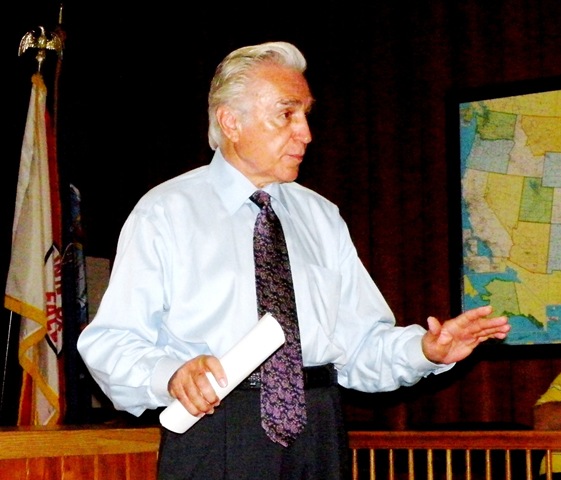 In reaction, Hinchey co-authored the Fracturing Responsibility and Awareness of Chemicals (FRAC) Act to eliminate the so-called 2005 Halliburton exemption, which prevents the Environmental Protection Agency from regulating fracking through the Safe Drinking Water Act.
The legislation would also require the disclosure of chemicals used in the hydraulic fracturing process. Hinchey is also the author of language that initiated an ongoing EPA study to determine the environmental impacts of the drilling technique.
Congressman Maurice Hinchey (D-NY) released the following statement this past week:
"The news that radioactive waste from the hydraulic fracturing process is being sent through wastewater treatment plants unequipped to handle it and then dumped into rivers and streams that supply drinking water to millions of people is alarming and must be immediately addressed. This story shows that the risks associated with this drilling technique are far too unknown and the current regulatory framework is far too limited to protect drinking water and the general public.
"Congress must take action to untie the hands of the Environmental Protection Agency, allowing it to assert proper oversight of the full life-cycle of the hydraulic fracturing process by repealing the egregious exemptions that this industry enjoys from our nation’s most important environmental safeguards. I will be introducing legislation in the near future to do just that.
"The EPA should immediately begin requiring states to monitor radioactivity levels at all drinking water intakes that are in close proximity to sewage treatment plants that accept natural gas drilling wastewater.
"We can’t afford to take the ‘wait and see’ approach when it comes to radioactive, carcinogenic materials contaminating drinking water. Now is the time for all those who care about the safety of America’s drinking water supplies to step up to the plate and protect it for future generations."






![clip_image002[4]](https://thecatskillchronicle.com/wp-content/uploads/2011/02/clip_image00241.jpg "clip_image002[4]")












 The Catskill Chronicle
33rd Annual Heart-a-Thon Raises Over $62,000 for CRMC
Posted in Comments on February 28, 2011| 2 Comments »
Story and photos by Carol Montana
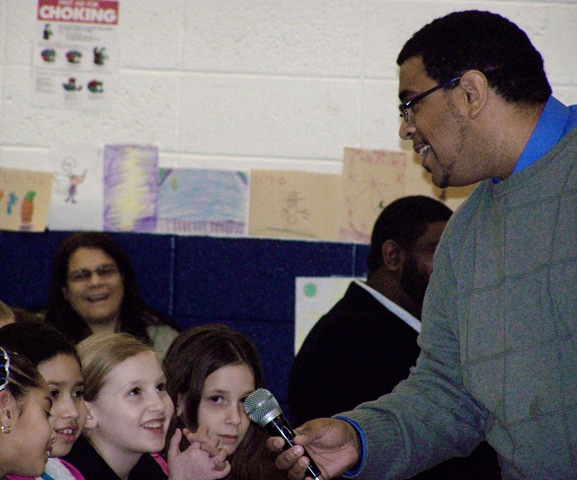
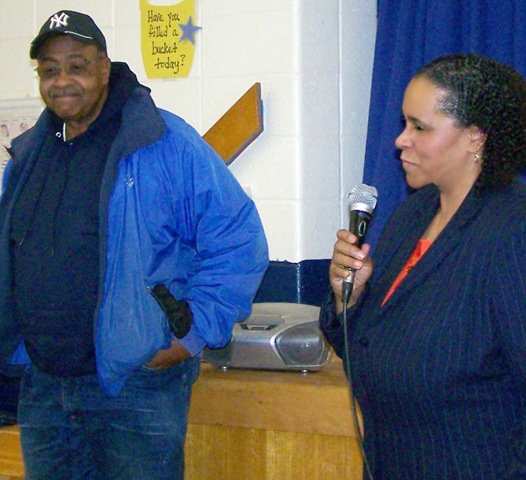
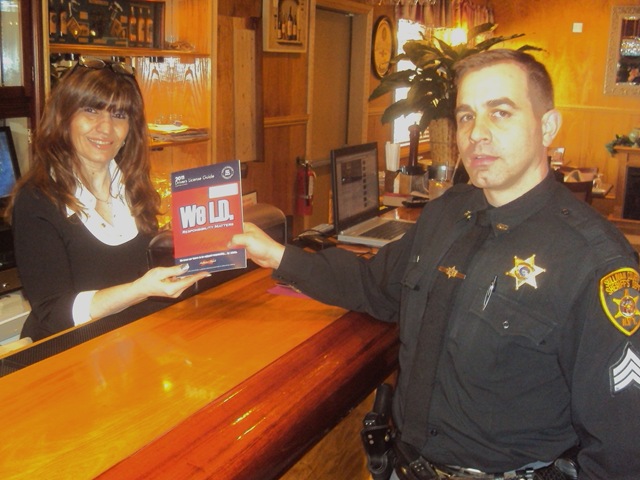
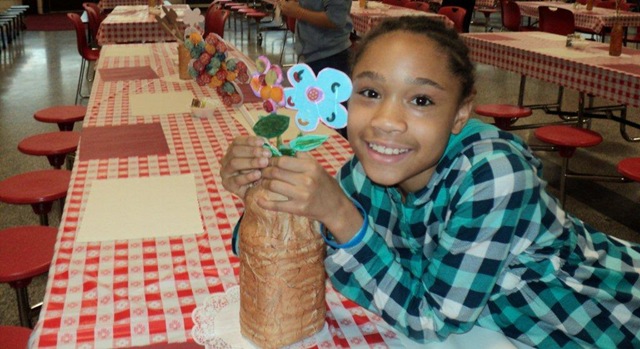
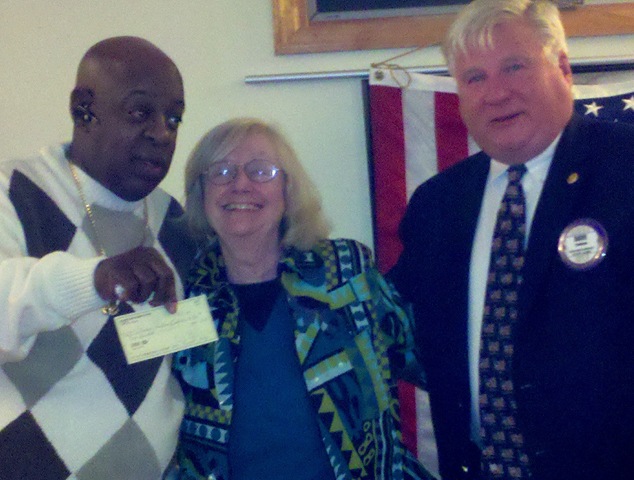
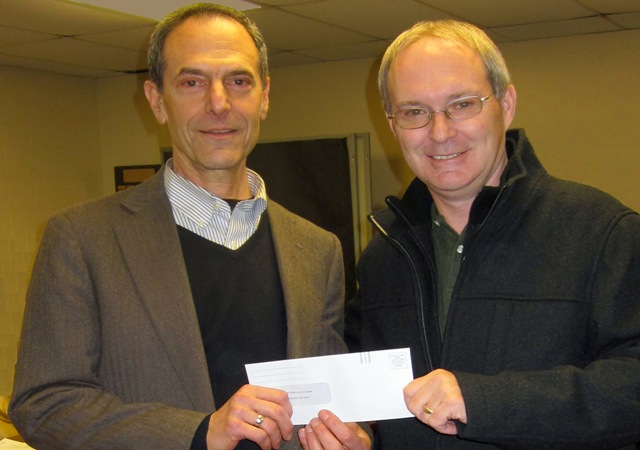
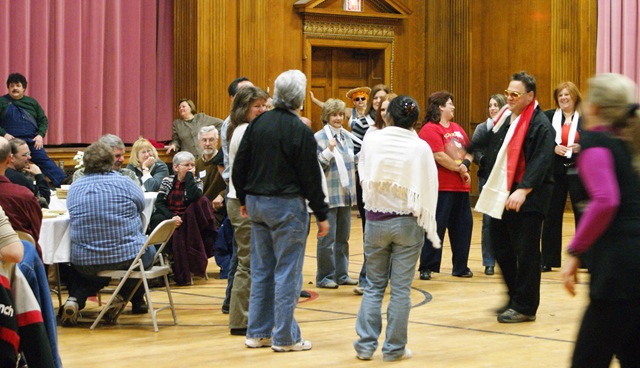
Nowadays, the event is known as the WVOS/WSUL Heart-a-Thon and raises money for Catskill Regional Medical Center’s Cardio-Pulmonary Department, and is held in the hospital cafeteria. And this year’s grand total of $62,877 stays in Sullivan County – 100 percent.
WVOS/WSUL General Manager. Helena Manzione, says the one thing that hasn’t changed is “the community involvement, the people that step up to the plate year after year. They want to be part of it, they really put their heart and soul into the event. We’re just the vehicle.”
Alan Kesten, owner of Yellow Cab and this year’s co-chair along with Howard Braunstein of M& M Auto Group, said that being co-chair involved a “little bit of time.” And then he admitted that he “calls every friend that I know on the face of the earth to make a pledge.”
The money will be used to purchase the software package for a CT Scanner, which not only can determine the severity of heart blockages, but it also directly visualizes the atherosclerotic plaque deposited in the vessel wall.
You can still contribute to the Heart-a-thon by sending a check or money order made payable to: WVOS/WSUL Heart-a-thon, Box 628, Monticello, NY 12701.
To see more photos or to purchase prints from the 33rd Annual Heart-a-thon, visit The Catskill Chronicle on Zenfolio.
Click any service in this box to share this post with your friends!
Read Full Post »