Free Invasive Species Info & I.D. Available at Cornell Cooperative Extension
July 28, 2013 by The Catskill Chronicle
LIBERTY, NY (July 28, 2013) — In recent years there has been an increase in awareness that introduced invasive species are having a significant impact on our economies, our environment, and our health. Many of the currently  known invasive plants causing problems today were originally imported as ornamentals. Recent increases in global trade, including trade in ornamental plants, have created new opportunities for the spread of both intentional and non-intentional exotic species. (Japanese Knotweed at left).
It is estimated that only 1% of the species introduced every year will become invasive. Invasive species include plants and animals, including insects 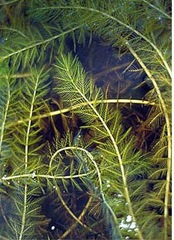 and pathogens. They have negative impacts on forests, agriculture, wildlife, fish, shellfish, and human health. They also diminish recreational areas. Even though only a small percentage become invasive, the damage they cause is significant. The need for a national early detection and rapid response (ED/RR) system has been recognized in order to deal with this increasing threat. (Milfoil at right).
Research has shown that the best strategy to deal with invasive species is to identify and 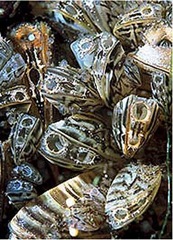 eradicate them before they become established. Cornell Cooperative Extension (CCE) Sullivan County is working with the Catskill Regional Invasive Species Partnership (CRISP) to develop an ED/RR system in the Catskill region. The public in the Catskill region is urged to join in this important task. The more eyes there are looking for these invaders, the easier it will be to deal with them quickly and effectively. (Zebra mussels at left).
Information and free identification services for potential early detection species is available at the CCE office in Liberty. If you suspect you have found a new invasive species, on your property or anywhere in the region, please call 845-292-6180 or email sullivan@cornell.edu.
Click any service in this box to share this post with your friends!
Related









 The Catskill Chronicle
Free Invasive Species Info & I.D. Available at Cornell Cooperative Extension
July 28, 2013 by The Catskill Chronicle
LIBERTY, NY (July 28, 2013) — In recent years there has been an increase in awareness that introduced invasive species are having a significant impact on our economies, our environment, and our health. Many of the currently known invasive plants causing problems today were originally imported as ornamentals. Recent increases in global trade, including trade in ornamental plants, have created new opportunities for the spread of both intentional and non-intentional exotic species. (Japanese Knotweed at left).
It is estimated that only 1% of the species introduced every year will become invasive. Invasive species include plants and animals, including insects and pathogens. They have negative impacts on forests, agriculture, wildlife, fish, shellfish, and human health. They also diminish recreational areas. Even though only a small percentage become invasive, the damage they cause is significant. The need for a national early detection and rapid response (ED/RR) system has been recognized in order to deal with this increasing threat. (Milfoil at right).
Research has shown that the best strategy to deal with invasive species is to identify and eradicate them before they become established. Cornell Cooperative Extension (CCE) Sullivan County is working with the Catskill Regional Invasive Species Partnership (CRISP) to develop an ED/RR system in the Catskill region. The public in the Catskill region is urged to join in this important task. The more eyes there are looking for these invaders, the easier it will be to deal with them quickly and effectively. (Zebra mussels at left).
Information and free identification services for potential early detection species is available at the CCE office in Liberty. If you suspect you have found a new invasive species, on your property or anywhere in the region, please call 845-292-6180 or email sullivan@cornell.edu.
Click any service in this box to share this post with your friends!
Related
Posted in Comments | Leave a Comment
Comments RSS