Review by Barry Plaxen
Shandelee, NY (August 8, 2012) – Solid Gold.
As I entered the Shandelee Music Festival’s Concert Pavilion on Tuesday, August 7, 2012, disappointment struck! A change in the program. No Bartok. I would not be hearing his “Romanian Folk Dances.” It and two pieces by Antonin Dvorak and Benjamin Britten were replaced with two warhorses by Robert Schumann and Cesar Franck.
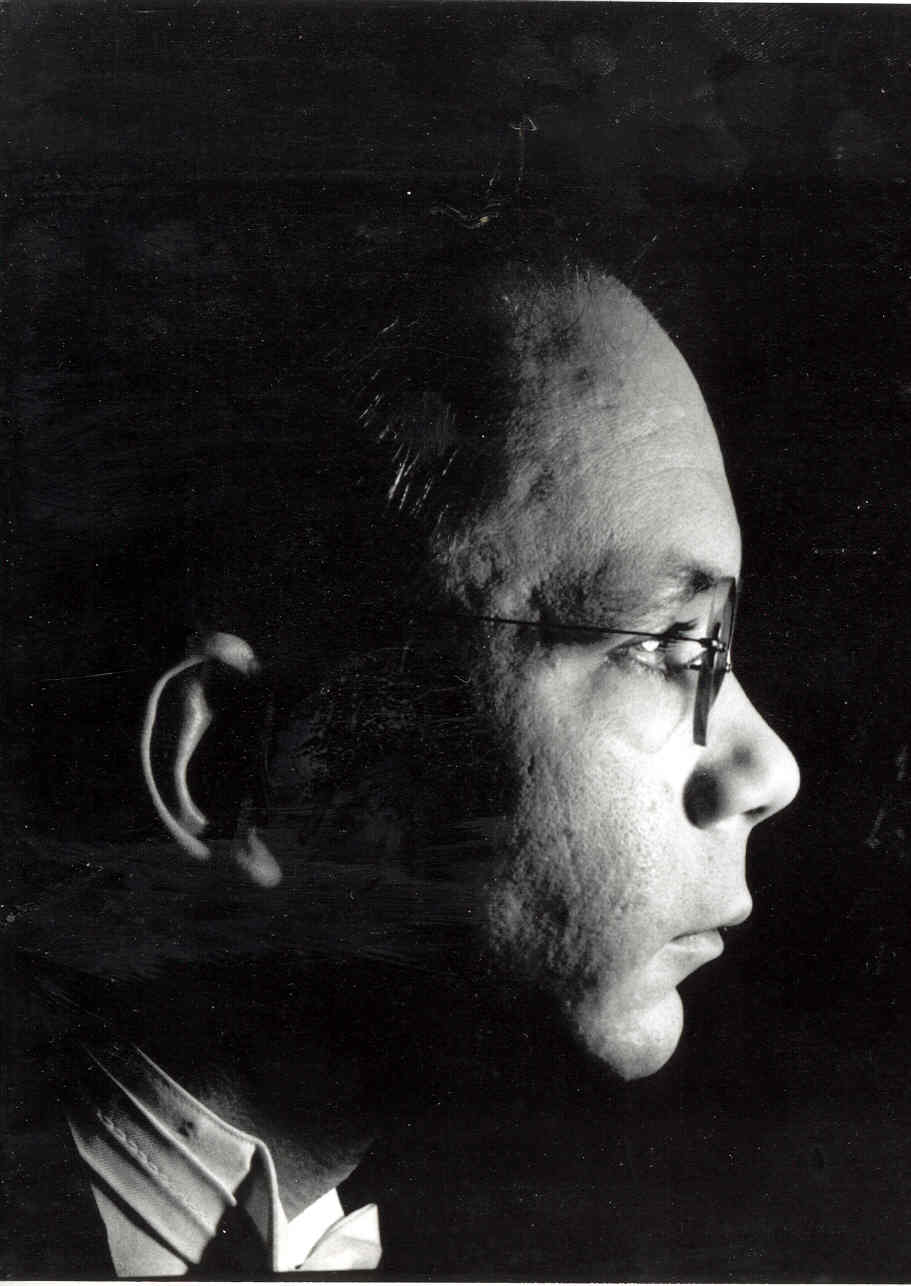 Happy to say “I got over it quickly” when pianist Cullen Bryant (photo left) played the first few notes of Schumann’s “Fantasiestucke (Fantasy Pieces) for cello and piano,” Op. 73. His approach was so incredibly Schumannesque it brought me instantly back three days to the August 4 performance for the Festival’s opening concert – when Bryant had played music by four composers: Bruch, Schubert, Prokofiev and Brahms, in four distinct styles. His touch magically changes as if each composer is sitting on his shoulder manipulating his arms and hands into playing their pieces as they intended. I don’t think it is especially easy to play a large amount of romantic music and make it all sound stylistically unique. But Bryant always succeeds, indicating his world class stature. Solid Gold.
And speaking of the first few notes, I remembered from last year’s concert, the magic that comes out of world class cellist David Requiro’s soul at the start of each work when he began. In this instance, world class refers to Requiro’s phrasing: two or more passages of the same notes never played the same way, obvious conversation between the two musicians, and that wondrous ability (charisma??) to communicate one’s own feelings and a composer’s intention at the same time. Requiro and Bryant make the music so very individual with their inspired phrasing BUT always, soaring above the music so to speak, or lying underneath it so to speak, is the composers special voice and ergo the composers intention. Solid Gold.
Both artists proceeded to do all of the above, and more if such a thing is possible, for the Fantasy Pieces, which were originally written for clarinet or violin, I believe, making the work sound as if it were a masterpiece. And also for Felix Mendelssohn’s major work, his “Sonata # 2 in D for cello and piano,” Op. 58, which was to be the closing piece on the program, but moved to the first half in the re-arrangement. This popular work was not written for his sister (Fanny) and brother (Paul) as was his first, seldom performed cello-piano sonata. It is a much more ambitious work, with great depth and refinement. It is also highly “virtuoustic” in spots in addition to its being melodic, frolicsome and masterfully balanced.
The second half of the concert was devoted to Cesar Franck’s masterpiece, Sonata in A. Some sources say it was originally written for piano and either violin, cello or flute. Others say it was written for violinist/composer Eugene Ysaye. I cannot think of any other piece that equally conveys its masterpiece status no matter on which of the three instruments it is performed. It has even been arranged for viola, equally as effective. Again, Requiro and Bryant made the first few notes their own, especially with Requiro’s breath-taking phrasing particularly catching my attention. Solid Gold.
 The audience was overwhelmed with the entire concert and were sincerely effusive in their appreciation. So much so that an encore was inevitable. Mr. Requiro (photo right) announced they would play Bartok’s “Romanian Folk Dances.” Recognition of the “displaced piece” was immediate – some laughs, some aaahs. At the conclusion, of the spectacular work, you wondered how they could have ever cut it out of the planned repertoire, but at the same time realized what a clever idea it was to slip it in as an encore. With all due respect to the three romantic masters and their (arguably) masterpieces that we just heard, in their place and just as equal in power, if not more so, was Bartok’s ability in arranging original folk music into the genre of classical music with inspiration and expertise culled from his knowledge of all music, from Palestrina to Stravinsky, from early simple Balkan folk music to the complex music of masters like Schumann, Mendelssohn and Franck. Solid Gold.
The thrilling Shandelee concert is to be followed by four more performances, ending on August 18. There are chamber and choral works, and the International Artists of Shandelee, young concert pianists who are brought to Shandelee for the organization’s mission when “during the Festival, advanced piano students will study with a faculty of distinguished artists. Daily interaction with guest faculty and directors provide students with invaluable opportunities to discuss concerns and exchange views on all aspects of music making.”
For tickets and information: www.shandelee.org or 845-439-3277.







 The Catskill Chronicle
Leave a comment