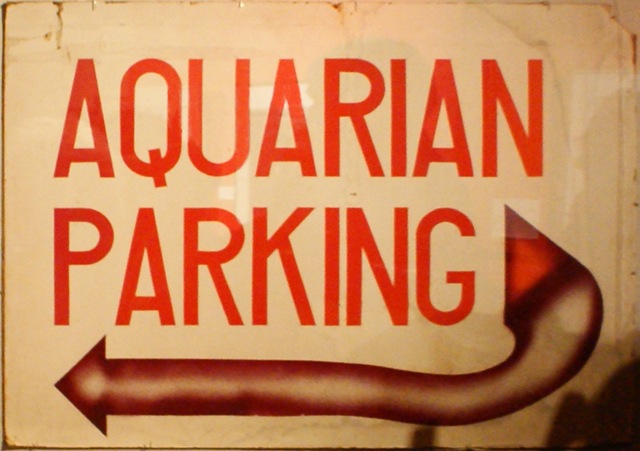
Photos by Leni Santoro – Poster, ticket and arm band photos courtesy of Bethel Woods Center for the Arts.
By Jason Dole
Have you ever seen Neil Young’s performance at Woodstock? Probably not. Young refused to let his performance with Crosby, Stills, and Nash to be filmed. So, unless you were there in 1969, you haven’t seen Neil Young at Woodstock.
That’s about to change.
 Currently, at Bethel Woods, you can see 41-year-old footage of Neil Young. The image is shaky, the framing meanders, and the clandestine filmmaker has some trouble with the focus – but there he is. Neil Young with Stephen Stills on stage at Woodstock, doing an acoustic version of “Mr. Soul” from their Buffalo Springfield days. It’s just one of the never-before-seen gems in Museum at Bethel Wood’s new “Collecting Woodstock” exhibit.
Collecting Woodstock
It’s not just the name of an exhibit, it’s a mission statement. The Museum at Bethel Woods preserves and explores the Woodstock phenomena and the rollicking decade that spawned it. The museum opened in June, 2008 after an extensive search for historic artifacts related to the famous rock fest. “Collecting Woodstock” shows that the museum is still seeking, still searching – much like the “boomer” generation itself.
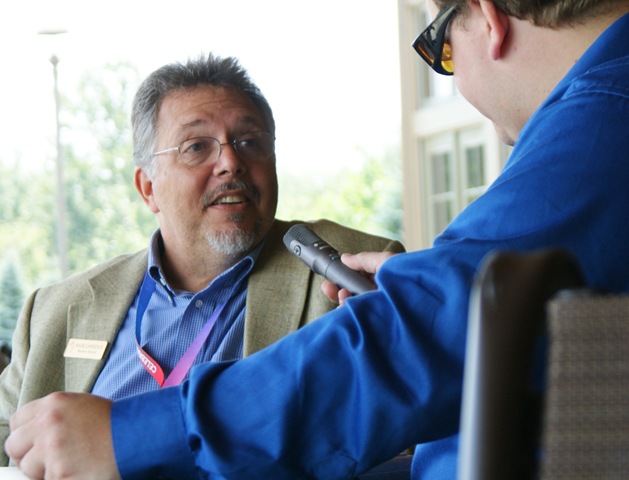 “Some people think that once the museum has opened, we’re done,” says Museum Director Wade Lawrence. “But the fact of the matter is, we’re committed to collecting about Woodstock, about the 60s, and building a strong collection that we can use for special exhibits, that we can use for research, allow scholars and researchers to look at our collection and use it in their studies.”
Wade Lawrence is sitting on the back patio of the Museum at Bethel Woods, over looking the circular Terrace Stage. It’s a sunny summer afternoon, made all the more gorgeous by Bethel Woods’ manicured landscape and the many trees give the venue its name. In a moment, Lawrence will introduce the “Collecting Woodstock” exhibit to museum volunteers. The following night, the exhibit will open to the public. Attendees will include folks who donated some of the 60-plus photographs, objects, and ephemara in the exhibit. For now, the Museum Director takes a moment to talk about what it all means.
“We’ve been collecting right along,” Lawrence continues. “And like many other museums, we have much more in storage than we have on display. This exhibit is our chance to show off some of the neat stuff we’ve gotten in the last few years.”
The Neat Stuff
If you’re into Woodstock, history, or rock-n-roll, then you’ll agree “Collecting Woodstock” contains some truly neat stuff. This includes a whole array of items related to Woodstock staff and volunteers.
There is an original parking permit, an 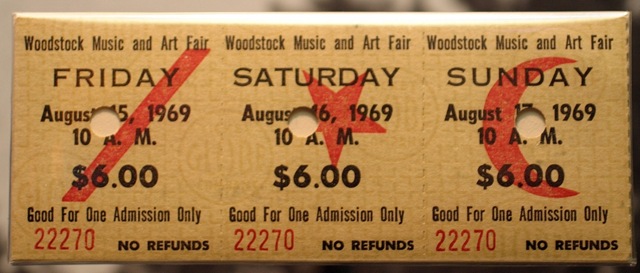 original staff pass, and –rarest of all– an original Woodstock staff shirt. There were no real memorabilia stands at Woodstock. The staff shirts were the only dove-and-guitar Woodstock shirts from August ‘69. This one is orange, denoting security staff.
Speaking of security, one artifact is related to the keepers and progenitors of the peace at Woodstock. 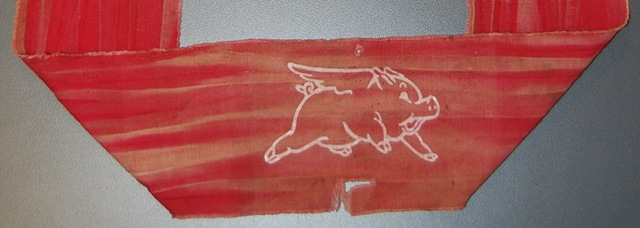 It’s a faded red band of cloth with a winged pig cartoon printed on it. This “red rag” was the identifying arm band for members of the Hog Farm commune and their deputies. It’s displayed near three Hog Farm “survive fliers,” sheets with instructions on how to maintain good vibes and survive the festival. Tips include looking for someone wearing the red rag when there’s trouble, especially “drug freak-outs.”
At a massive, free-wheelin’ megafest like Woodstock, where the lineup kept changing even as artists took the stage, there was no single master schedule. So who kept track of which bands played, and in what order? People like Kevin Marvelle, then 18 years old. In a Herculean act of musical appreciation, he watched every performance at Woodstock except one (Country Joe, missed when Marvelle went back to his car for dry clothes).
Kevin Marvelle spent more than three days in the field, taking notes on every band that hit the stage. In recent years, these notes helped music historians piece together a better idea of what happened at Woodstock. Now, Marvelle’s original journal sits in a display case at Bethel Woods. “Collecting Woodstock” also features an enlarged page-by-page reproduction of the journal that people can pick up and read for themselves.
 And so on. One after the other, the artifacts tell a story – from the original “Aquarian Exposition” rock poster by Fillmore artist David Edward Byrd to bonus footage of a bleary-eyed Marty Balin singing “Saturda-ay afternoon” in the Sunday morning sun at Woodstock.
In a case adjacent to Byrd’s poster hangs a handmade dove-and-guitar flag. It was donated by Barbara Franco, Marcella Turzanski, and Barbara Dee Deacle. The trio were prepared for their trek to Sullivan County in 1969. They made the flag to fly over their campsite so they’d be able to find it in the crowds. Along with the flag, Turzanski donated a copy of 8mm home movies they made at the festival.
“We’ve got the flag and the film on view,” says Wade Lawrence. “It’s exciting to show some of these personal stories.”
Making it Personal
Woodstock is a historic event that is well documented in one particular way. Perhaps half a million people were at the concert. For every one else –millions upon millions of people around the world– the 1970 documentary film has become the definitive version of the Woodstock story. It’s a condition that this author clumsily calls “Movie-itis.”
“That’s right. If it wasn’t in the movie, it must not have happened,” says Lawrence, parroting the sentiments of Movie-itis sufferers he’s encountered first-hand. He explains, “the movie was great, but a lot of the personal stories of the individuals in the crowd don’t get told.”
Four hours of footage, performances, and interviews can only do so much tell four days’ worth of stories from hundreds of thousands of people. The Museum at Bethel Woods confronts this information deficit by making the history they have as personal as possible. Original Woodstock attendee Duke Devlin serves as Site Interpreter. The museum’s Event Gallery hosts authors and speakers who tell their first-hand accounts of the 1960s and Woodstock.
An exhibit like “Collecting Woodstock” adds to that personal feel by focusing on  the donors every bit as much as the artifacts. In addition, it features many never-before-seen photographs of Woodstock taken by amateurs. Those who were at the original festival can make their mark on the exhibit by placing a pin in a festival site map.
[At left] Bethel Woods volunteer Glen Wooddell marks his position at Woodstock for posterity.
There’s also a lot of previously unseen footage playing on a loop in the exhibit. These include home movies made by attendees, and one video that may have been shot by Paul Kantner of the Jefferson Airplane. If someone’s concept of Woodstock has been forged by the movie, then “Collecting Woodstock” will be like peeking behind the screen and finding much, much more.
“I think that for years, we’re still going to be telling stories,” Lawrence explains. “There are still going to be surprises.”
Calling All Woodstockers
To hasten those discoveries, the Museum at Bethel Woods is starting a major  project. It’s launching an online registry of Woodstock attendees. All of them.
“We’re asking anyone who was at Woodstock to log on to www.bethelwoodscenter.org and register with the Woodstock Festival Alumni Database. We’re trying to get all five hundred thousand people who were at Woodstock to register. It’s a tall order.”
Tall order? It’s almost impossible. But every name and story the museum receives just adds to the larger tapestry.
“It’s a long term project,” admits Lawrence. “We want to build up a historical record. We want to hear their stories. What was their favorite band at the festival? Where did they camp or sleep at the festival? Most of all, we just want to give people a chance to say ‘I was there.’”
It’s Not Just Woodstock
If there is a point where the personal becomes historical, where the local becomes international, then it’s somewhere in the Museum at Bethel Woods. Maybe the attempt to identify all the attendees of such a sprawling event isn’t as difficult as what the museum already does. To document Woodstock in particular and the 1960s in general is to dive head first into a sea of politics, struggle, and controversy.
“It’s not just Woodstock,” says Wade Lawrence of the museum’s scope. “There are a lot of stories about civil rights, JFK, the space race, the women’s movement… all those legacies of the ‘60s that we take for granted today. Every one of those stories needs to be told over and over.”
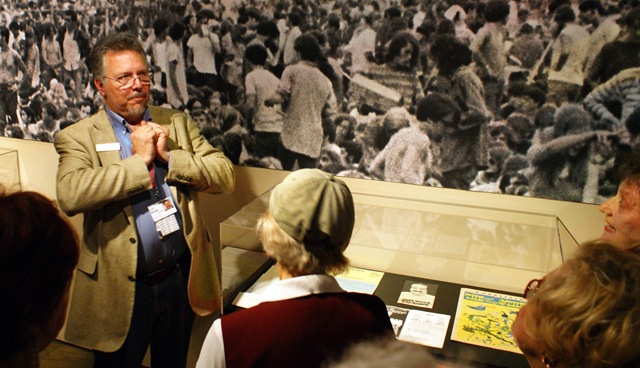 These stories may not have originated at the Woodstock festival, but they’re a part of what happened there. They criss-crossed the decade like the attendees criss-crossed the nation, intersecting in Sullivan County on one historic weekend. If the “Woodstock Spirit” soaked into the ground in Bethel (as some Aquarians assert), then so did these stories. Their themes and subplots ran thick through the mud of Max Yasgur’s fields.
Perhaps the muddiest story of them all –the most politically and emotionally divisive issue intersecting Woodstock– is the Vietnam War. That hasn’t changed in 41 years. Search the web and you’ll find most blog posts that mention Vietnam and Woodstock have long lines of biting comments posted at their tails. People are still arguing about it.
While the colorful displays at Bethel Woods appear be a celebration of Woodstock’s hippie ideals, the museum takes a more nuanced approach than you might think. When Wade Lawrence says that all the stories of the ‘60s need to be told, he really means it.
For instance, a few months ago Bethel Woods forged past the controversy 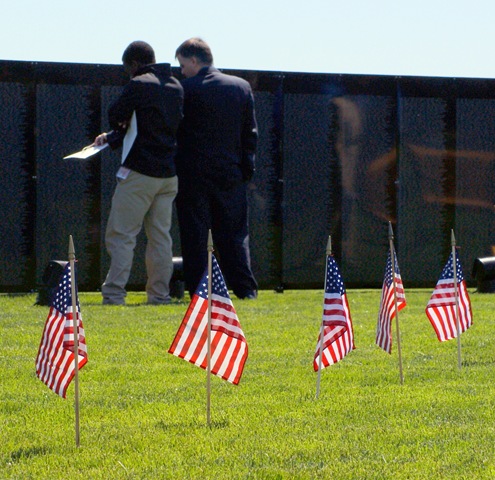 of Vietnam and Woodstock and went right for the humanity. For one weekend, the arts center hosted “The Wall That Heals,” a half-sized replica of the Vietnam Veterans Memorial in Washington, D.C. The grounds were kept open 24 hours a day to allow every person to come and stand witness in his or her own way.
“It makes total sense to have the Vietnam Memorial wall here at Bethel Woods,” says Lawrence, adding that the draft and the war were two of the biggest events of that decade, if not the century.
“If we couldn’t commemorate that here, if we couldn’t start the dialogue between the guys and women who served and the people who were at the Woodstock Festival that probably were not inclined to serve, if we can’t reconcile some of those differences, then we might as well pack it up.”
Field of Impossible Dreams
It’s just one more impossible task for the Museum at Bethel Woods. Can they really reconcile all those differences? Probably not. Will they try? Definitely. The effort is worth it. For his part, Wade Lawrence is betting that we’ve matured as a nation and as individuals.
“A generation now in their 50s and 60s can look back and say, ‘Yeah, I was against the war. No, I wasn’t against the soldiers…’”
Terms like “hippie” and “straight” stereotype whole swathes of the population, but when the boomers were in bloom they were anything but monochromatic. Some had long hair, others short, most kept it a medium length. Some tried drugs and got on with their lives, some tried drugs and lost their lives, others stayed away from them altogether. Some served in the military, others went to Woodstock, and a handful did both (like Woodstock performer Country Joe MacDonald.)
“The specifics aren’t as important as the fact that in the 60s, we believed we could change the world,” concludes Lawrence, himself a boomer.
“I think the people who were at Woodstock 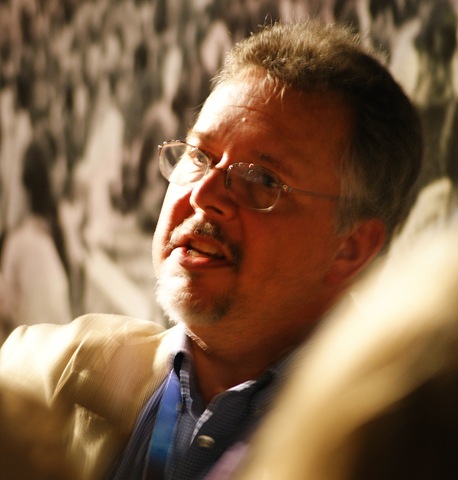 really thought we could change the world. In a lot of ways we did – some for the good, some for the bad. The biggest legacy we leave is that we don’t take things at face value. I think that’s the legacy of the ‘60s, that we don’t blindly follow anyone.”
That may be. At the time, Anti-war protestors warned against blindly following the government. Veterans who see still Woodstock as a synonym for hippie excess refuse to blindly buy into the popular legend of Woodstock. For all their differences, this common trait betrays the brotherhood between all sides…
But that’s another thought for another time. And just two years into its existence, the Museum at Bethel Woods has plenty of time to explore all of these thoughts. Asked to sum up the current state of things at Bethel Woods, Lawrence says,
“This is a wonderful thing for Sullivan County, a wonderful thing for the greater Hudson Valley, and I think that the nation and the world have embraced us. I’m just proud to be part of it.”
With that, the conversation is over. The visions of years gone by recede. The mud, the blood, and tie-dye colors evaporate. There is only a near-perfect afternoon amid the sloping lawns, terraces, and trees of Bethel Woods, summer of 2010. Wade Lawrence has a new exhibit to introduce to his volunteers. After that, it’s the public’s turn. Museum-goers will soon be here.
It’s business as usual at the Museum at Bethel Woods, but there’s nothing usual about that. Because just underneath the green turf, tucked inside the museum’s psychedelic bus exhibit, embedded in the fibers of a lost Hog Farmer’s “red rag,” behind a photo of long-gone youths bathing at Filippini’s pond, history is waiting for you. It can be kind of sad or fun as hell, but it’s there. At Bethel Woods, history is alive, it’s kicking, it’s personal, and it’s also personable. If you want to check it out for yourself, follow the links below.
For information on all things Bethel Woods, from pavilion concerts to museum hours, visit www.bethelwoodscenter.org.
For information on the “Collecting Woodstock” exhibit, click here .
For info on donating a Woodstock artifact to the museum or telling your Woodstock story, click here.








 The Catskill Chronicle
Here’s my memories of Woodstock:
Nice article!